Memory Care in Independencehelps seniors stay safe and engaged by combining structured daily routines, secure living spaces, and meaningful activities specifically designed for individuals with memory loss. This approach supports emotional health while reducing confusion and stress for older adults living with dementia.
Dementia affects millions of families across the country, and the risk continues to rise with age. The lifetime risk of developing dementia after age 55 is 42 percent, highlighting the growing need for specialized support, reports NYU Langone Health.
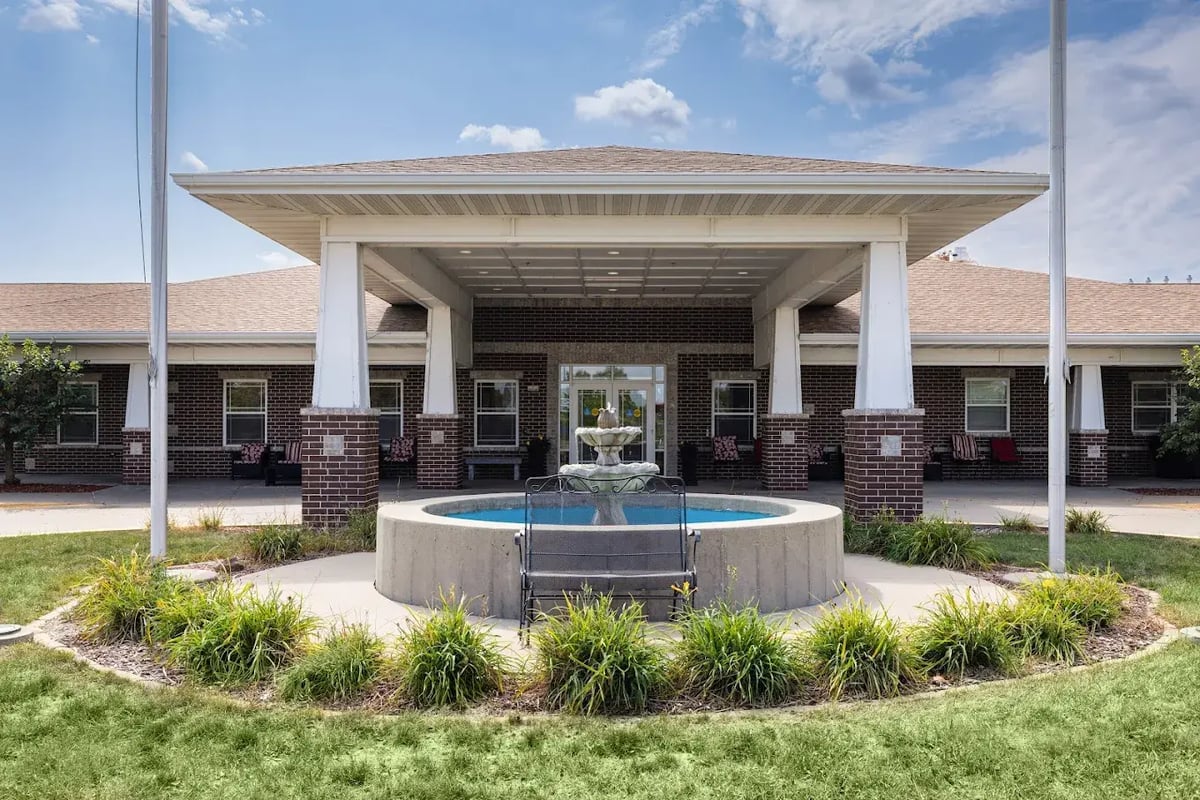
Independence, Iowa, offers small-town comfort and a strong sense of community while giving families access to senior living options designed for safety and connection. Prairie Hills at Independence is located in Independence, IA, where calm surroundings and familiar routines help older adults feel more at ease.
This guide explains how memory care supports engagement and quality of life for seniors, while helping families understand what truly matters in daily care.
How Memory Care in Independence Supports Daily Safety
Memory Care in Independence focuses on reducing risks linked to memory loss while preserving dignity and independence. Many seniors between the ages of 80 and 90 benefit from environments designed to support changing cognitive needs.
Safety begins with a design that matches how memory loss affects daily behavior. Predictable surroundings help seniors stay calm and oriented.
Thoughtful Community Design
Memory care communities use simple layouts that reduce visual clutter. This design choice supports focus and reduces overstimulation.
Lighting, color contrast, and open common areas help seniors recognize spaces more easily. These details play a quiet but powerful role in daily comfort.
Secure environments for seniors help lower the risk of wandering and injury. Clear layouts allow residents to move confidently without fear.
Daily Support Without Medical Care
Team members assist with daily tasks like dressing and bathing. They also help with medication management without prescribing medications.
This balance of support helps seniors feel capable while staying protected. Care is offered with patience and respect.
The Role of Structured Memory Care Programs
Structured memory care programs provide a steady rhythm to each day. Consistent routines help reduce anxiety and agitation for people living with dementia.
Research shows that structured routines can improve mood and reduce behavioral challenges in memory care settings. Routine gives memory care residents a sense of control and familiarity.
Purposeful Daily Activities
Activities are designed to match attention span and ability. Each activity has a clear goal that supports focus.
Group programs encourage social interaction without pressure. Quiet activities are also available for residents who prefer calm engagement.
Memory and Sensory Stimulation
Sensory activities help connect memory with emotion. These experiences support comfort and recognition. Studies show sensory and memory stimulation therapies can improve the quality of life for people with dementia in long-term care settings.
Alzheimer's Care in Iowa With Holistic Care
Memory care supports emotional health as much as physical safety. A holistic approach looks at the whole person. Holistic care focuses on mental, emotional, and social well-being, and goes beyond managing symptoms alone.
Engagement works best when care respects personal history and preferences.
Connection Through Familiar Experiences
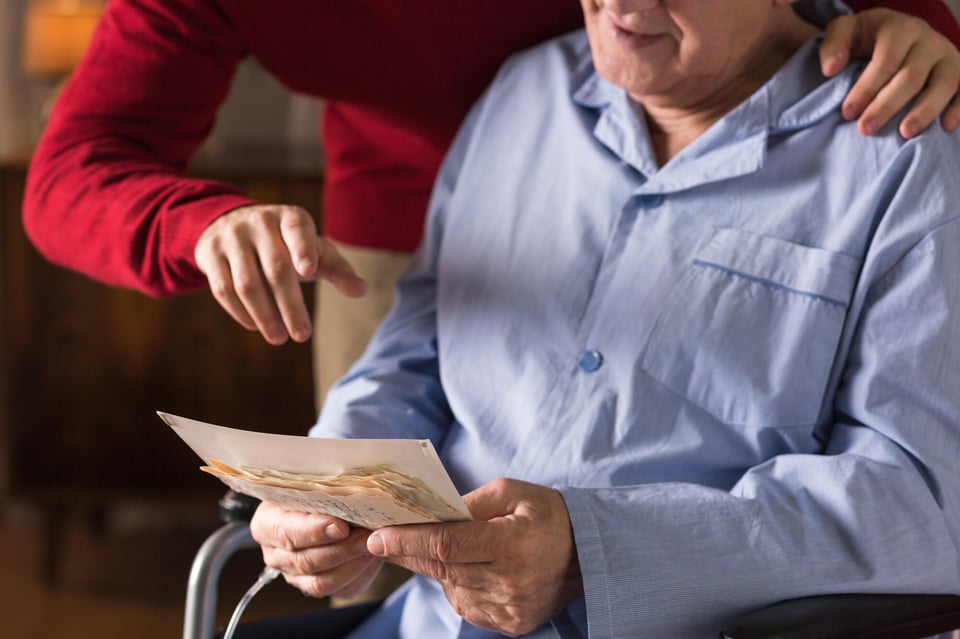
Music, conversation, and simple games can spark recognition. These moments create emotional comfort. Holistic approaches that include mindfulness and movement support long-term emotional balance.
Social Interaction at a Comfortable Pace
Small group settings help residents feel included. Participation is encouraged but never forced. Positive social moments help reduce isolation and depression.
Dementia Support in Independence, IA Families Can Trust
Dementia support in Independence, IA, families needs include education and emotional reassurance. At Prairie Hills at Independence, memory care extends support beyond the resident.
Families often feel overwhelmed by changing behaviors. Clear communication helps build confidence. Family support dementia services create peace of mind during difficult transitions.
Life at Prairie Hills in Independence, IA
Prairie Hills at Independence offers memory care that balances safety with engagement. The community environment supports calm routines and meaningful interaction.
Residents enjoy welcoming indoor spaces and peaceful outdoor areas. These settings support relaxation and social connection.
Prairie Hills at Independence creates a sense of belonging through consistency and care. Learn more about available memory care services and how they support daily life.
Shared spaces, dining experiences, and activity areas are designed for comfort. Details about community amenities show how daily living stays engaging.
Frequently Asked Questions
How Does Memory Care Differ From Assisted Living?
Memory care focuses specifically on cognitive support for dementia and Alzheimer's disease. Assisted living supports daily tasks but does not provide specialized memory-focused programming.
Memory care communities use structured routines and staff training that reflect how memory loss affects behavior and communication.
What Age Group Typically Lives in Memory Care?
Most memory care residents are between 80 and 90 years old. This age group often benefits most from consistent routines and close daily support.
How Do Memory Care Programs Reduce Anxiety?
Predictable schedules help residents know what comes next. This reduces fear caused by uncertainty. Simple choices and familiar activities also support emotional comfort.
Can Families Still Visit Often?
Yes, family involvement remains important. Visits help maintain emotional bonds and reassurance.
Memory care encourages family participation that supports comfort rather than overstimulation.
What Kind of Activities Are Offered?
Activities focus on cognitive engagement, movement, and creativity. Each activity matches ability levels. The goal is engagement without frustration.
How Is Personal Safety Maintained?
Secure environments for seniors reduce wandering risks. Design choices support safe movement. Staff presence adds another layer of daily safety support.
What Makes Memory Care Better Than Home Care?
Memory care offers a consistent structure throughout the day. Home care often lacks this predictability. Communities also provide social engagement that is hard to replicate at home.
How Does Memory Care Support Emotional Health?
Emotional well-being improves through connection and routine. Memory care addresses both. Residents experience fewer feelings of isolation.
Supporting Safer and More Meaningful Days
Memory Care in Independence helps seniors live with greater comfort, safety, and engagement while easing the stress families often face.
Prairie Hills at Independence stands out through personalized care plans, welcoming shared spaces including a library and wellness center, and a strong focus on daily engagement that respects each resident's abilities.
If you are ready to learn how memory care can support your loved one's daily life, contact us today to explore Prairie Hills in Independence, IA.