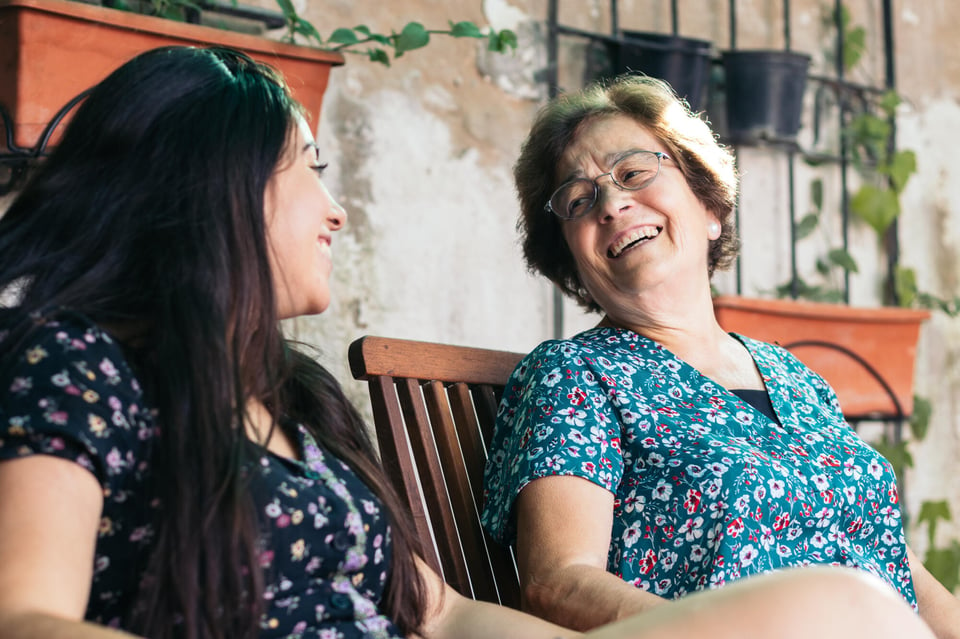
Good relationships between seniors and loved ones here in Independence, IA, are based on open communication and trust help seniors adjust to the changes that come with retirement and feel more resilient and content.
Families must have an honest conversation about support and additional assistance to prevent burnout. Caregiving can be draining, even in cases where the bond is strong.
According to research from Yuan G et al, a good life partner can support you and help you bounce back during times of crisis. When seniors here in Independence, IA have emotionally healthy relationships, it helps them be more resilient and to live a more satisfying life.
It's not uncommon for relationships to face some strain when someone in the family retires and moves into a senior living community. Loved ones may need to learn some new senior communication tips to adapt to the changes.
Emotional Safety and Trust
A big part of positive relationships after retirement is having emotionally healthy relationships based on honesty and trust. Both parties need to be able to talk honestly about their life boundaries.
Seniors and their loved ones must discuss these topics without any fear of mocking or dismissive attitudes. Another part of emotional safety is that mistakes are forgiven once an issue has been resolved. There is no sense in retreading previous missteps. Likewise, promises should also be kept. The responsible party should explain and apologize.
Seniors should be able to talk about sensitive topics without risk of an emotional escalation. For example, seniors should be able to talk about the following without facing emotional blackmail or silent treatment:
- Finances
- Health
- Adult children
Clear and Respectful Communication
While relationships after retirement usually involve renegotiating the relationship dynamic, the key is still respectful communication. Healthy dynamics in aging might involve having difficult conversations.
Seniors and their loved ones can ensure such conversations go smoothly by:
- Asking clarifying questions instead of just assuming
- Checking up on misunderstandings
- Writing down information about important topics so you can easily track back to them
- Postponing difficult conversations if the senior is upset or in pain.
Setting Appropriate Boundaries
Setting appropriate late-life boundaries is a key part of emotional safety for older adults. In emotionally healthy relationships, seniors and their loved ones are free to say no, without being guilt-tripped. While loved ones might try to push certain healthcare angles, they shouldn't try to force their opinion.
The only exception to this is when seniors have a condition that significantly impacts decision-making. For example, according to the Alzheimer's Association, when seniors have late-stage dementia, they may need a trusted loved one to make medical decisions for them on their behalf.
While seniors might need some help with medical appointments, that doesn't mean their medical history should be an open book. Those supporting seniors should do so while respecting their privacy and dignity as much as possible.
Caregiver Burnout
According to Richard Schulz and Paula Sherwood, caring for seniors can be very emotionally and physically draining. It's important to realize that even when seniors have a great relationship with their loved ones, caregiving still takes a toll.
Long-term caregivers often experience higher levels of stress, sleep problems, and health issues of their own. When a loved one is always "on call" for a senior, it can be hard for them to find time to rest, socialize, or even attend their own medical appointments. Over time, this can lead to resentment, fatigue, or feeling guilty for wanting a break, even when they truly need one.
That's why emotionally healthy relationships also include honest conversations about care, asking other family members to help, and exploring senior living options that share some of the care load. Even in emotionally healthy relationships, people need a break now and then.
Frequently Asked Questions
What if a Senior Gets Aggressive or Antagonistic?
Old age and retirement can cause a lot of stress. Sometimes, the stress of major life transitions like bereavement or moving into a senior community can cause friction. But sometimes, the anger goes beyond typical frustration.
If a senior appears to be uncharacteristically aggressive or angry, it could signal cognitive changes. For example, as dementia progresses, seniors can find it harder to process information, remember where they are, or understand what is being asked of them. Instead of feeling safe and supported, they may feel confused or even betrayed by the people they rely on most.
The following could indicate you need to consider memory care:
- Misinterpreting ordinary events as threatening or hostile
- Becoming unusually suspicious of loved ones or caregivers
- Lashing out verbally when feeling overwhelmed or confused
- Refusing help with bathing, meals, or medications that used to be accepted
What Should You Do If You Notice a Shift in Personality?
Any time a senior's temperament shifts significantly, it can be a sign of a medical issue. For example, when someone moves from being easygoing and relaxed to withdrawn and flat, it could signal a cognitive change.
These shifts are especially worrying when they come with a loss of interest in hobbies or social routines that are not replaced with anything new.
Changes in temperament can come from pain, infections, or medication side effects. If the personality changes continue for several weeks, it is time to book a primary care appointment.
Discover Emotionally Healthy Relationships
When seniors in Independence, IA, have emotionally healthy relationships based on trust and clear boundaries, it becomes much easier for them to transition into retirement and handle lifestyle changes. Caregivers need to pay close attention to both their own mental state and that of the senior they support. Any shifts in mood or personality should be seen by caregivers as early warning signs that extra support is needed.
Are you looking for a supportive, assisted living community that facilitates senior emotional growth? Or perhaps you have a senior who is exhibiting worrying personality changes and wants to inquire about our memory care services?
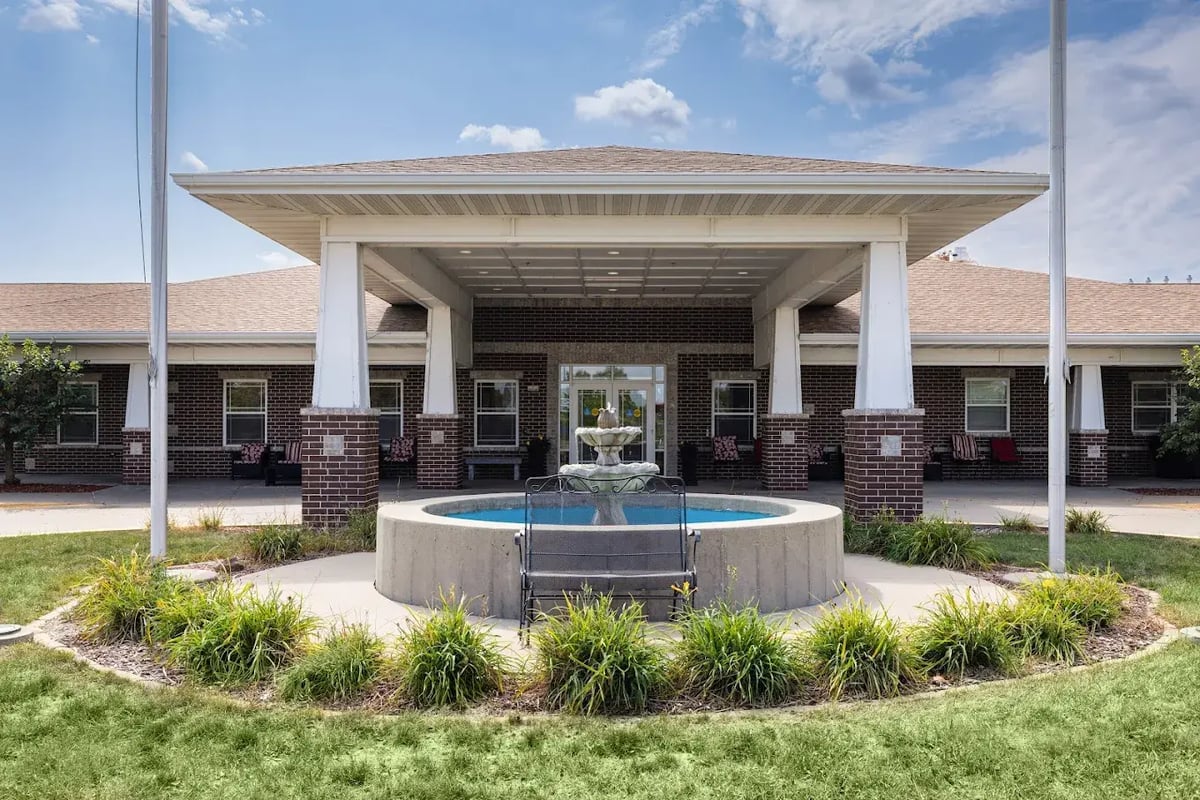
Here at Prairie Hills at Independence, we're committed to helping residents live their ideal lifestyle.
Those who served in the Armed Forces can enjoy a significant discount on their rent through our veterans program. If you want to see how our supportive community operates, contact us, and we'll set up a tour of our community.