
Summary
Many families worry that affording quality memory care means selling the family home, but several financial strategies can help you pay for memory care without selling the house. This guide explores practical options that allow families to preserve this valuable asset while accessing the resources needed for specialized care.
- Reverse mortgages allow homeowners aged 62+ to convert home equity into cash without selling, with repayment due only when the home is eventually sold
- Renting out the family home generates steady monthly income to help offset memory care costs while keeping the property in the family
- Long-term care insurance often covers memory care services; review your policy's elimination periods, benefit caps, and documentation requirements
- Government programs like Medicaid and Veterans Aid and Attendance benefits provide financial relief for eligible individuals, with many states allowing applicants to keep their primary residence
- Most families successfully combine multiple resources—rental income, insurance benefits, government programs, and personal savings—to create a sustainable care plan
Choosing specialized care for a family member living with dementia is one of the most significant decisions a family can make. Many families in Independence worry that affording quality care means selling the family home, but several financial strategies can help you pay for memory care without selling the house, keeping this valuable asset intact. This guide walks through practical memory care financial options for families considering Prairie Hills at Independence and other senior living choices in the Cedar Valley region.
Understanding Costs and Financial Planning
Memory care typically costs more than other living options because it provides specialized support for individuals living with Alzheimer's disease or other forms of dementia. National averages range from $4,000 to $8,000 monthly, though costs vary by location and level of support needed.
Starting financial planning early gives families more options. Gathering documentation of income sources, assets, insurance policies, and potential benefits creates a clear picture of what's available. Many families find they have more flexibility than expected once every resource is on the table.
Tapping Home Equity Through Reverse Mortgages
A reverse mortgage allows homeowners aged 62 or older to convert home equity into cash without selling the property. These funds can help afford memory care while keeping the house, since the loan doesn't require monthly payments and is repaid only when the home is eventually sold. This is one of the more common senior living financing strategies for families who want to preserve the home for future use or inheritance while accessing its value now.
Reverse mortgages do involve fees and interest that accumulate over time, so it's worth talking with a financial advisor to see if this memory care payment alternative fits your family's long-term goals.
Renting the Family Home for Ongoing Income
Renting out the family home creates steady monthly income that can help offset memory care costs without giving up the property. A property management company can handle tenant screening, maintenance, and rent collection if family members would rather not manage those details themselves.
Before renting, take a look at the home's condition, local rental rates in and around Independence, and any maintenance costs that might come up. This approach tends to work well when memory care costs exceed rental income by an amount other resources can comfortably cover.
Exploring Long-Term Care Insurance Benefits
Long-term care insurance often covers memory care services, providing real financial relief without needing to liquidate assets. Coverage varies widely between policies, so it's worth reviewing the details closely. Some plans cover full costs, while others provide daily or monthly benefit caps.
When you contact your insurance provider, ask about:
- Elimination periods before benefits begin
- Benefit durations and coverage caps
- Assistance requirements tied to daily living tasks
- Cognitive impairment documentation needed
Understanding these requirements ahead of time helps families plan care transitions and put benefits to use smoothly.
Government Programs: Medicaid and Veterans Benefits
Medicaid provides memory care financial options for eligible individuals, though qualification and covered services vary by state. Many states allow applicants to keep their primary residence while receiving benefits, though specific equity limits apply. Understanding memory care medicaid eligibility ahead of time helps families structure assets appropriately, and a Medicaid planning specialist can walk you through Iowa's specific requirements.
Veterans and their spouses may qualify for Aid and Attendance benefits, which provide monthly payments toward care costs. At Prairie Hills at Independence, our Veterans Program offers additional savings for those who served, something our own CEO and several team members understand firsthand as veterans themselves.
Combining Multiple Financial Resources
Most families use more than one senior living financing strategy at once. Common combinations include:
- Rental income from the family home
- Long-term care insurance benefits
- Government benefits like Medicaid or Veterans Aid and Attendance
- Personal savings and retirement accounts
This kind of diversified approach reduces reliance on any single source and gives families more stability as costs shift over time. Working with an elder law attorney or financial advisor helps coordinate these resources while staying compliant with program requirements, so your family can build a plan that supports quality care without draining every asset.
Local Support at Prairie Hills at Independence
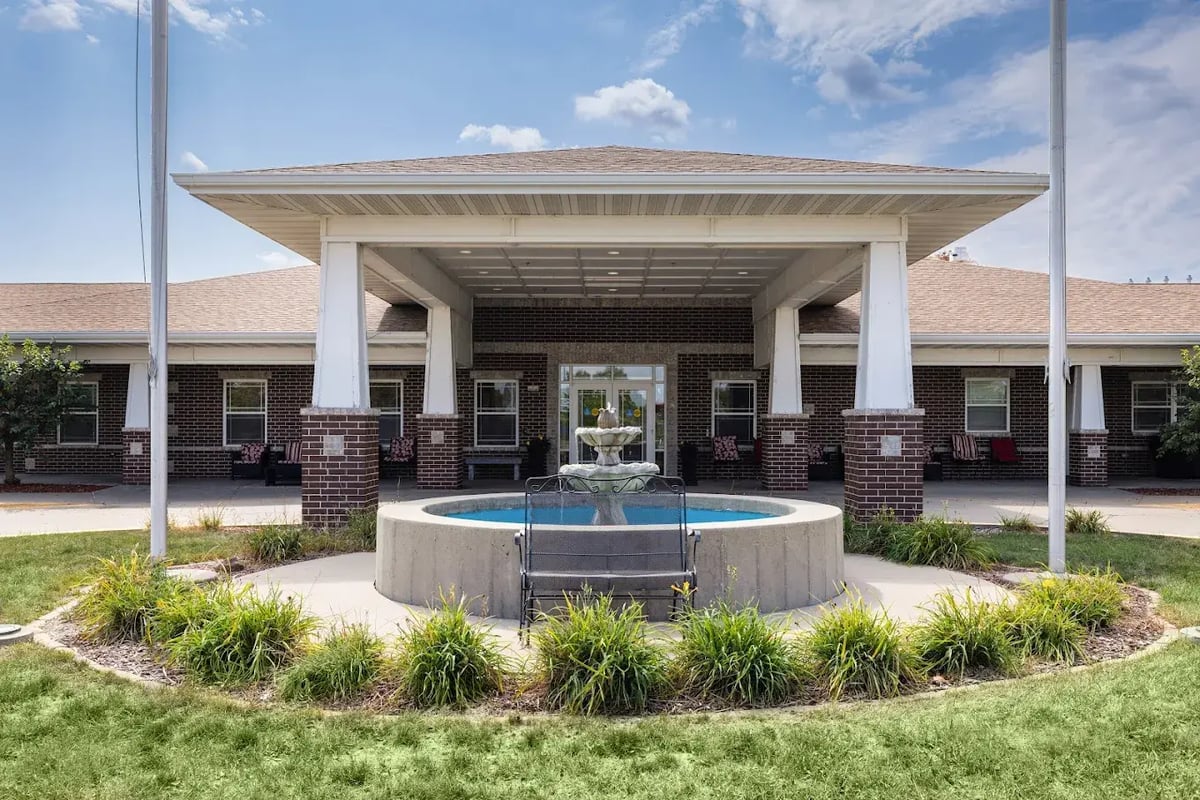
Financial planning is easier when you can picture what the money is actually paying for. Our GLOW® Memory Care program takes a personalized approach, building on each resident's life story and history to shape daily programming with purpose and familiarity, all within a secure setting near the Wapsipinicon River. Residents enjoy chef-prepared homestyle meals with tableside service, a wellness center, garden access, and scheduled transportation to appointments and outings around town, from the Heartland Acres Agribition Center to downtown Independence shops.
Families weighing the numbers often start with our 7 Practical Ways to Pay for Senior Living guide, which breaks down several of these same strategies in more detail.
A Few Common Questions
Can I really keep my house and still afford memory care?
In many cases, yes. Reverse mortgages, rental income, and long-term care insurance are all ways families offset the cost of memory care while holding onto the home.
Does Medicaid cover memory care in Iowa?
Iowa's Medicaid program can help cover memory care costs for eligible residents, though income and asset limits apply. A Medicaid planning specialist can help confirm eligibility.
How do I know if long-term care insurance will help?
Review your policy's elimination period, daily or monthly benefit cap, and documentation requirements, then confirm the details directly with your provider.
What makes GLOW® Memory Care different?
It centers on each resident's personal history and preferences rather than a one-size-fits-all schedule, with a secure setting designed around safety and daily comfort.
With the right combination of resources and a little early planning, most families find a path that protects both financial security and quality of care. If you'd like to talk through your family's specific situation or see Prairie Hills at Independence in person, we'd love to help you schedule a tour.